
Heritage tourism on Phuket
Heritage tourism on Phuket. While Phuket has become a leading mass tourism destination and Thailand's second market after Bangkok, travel specialists and...
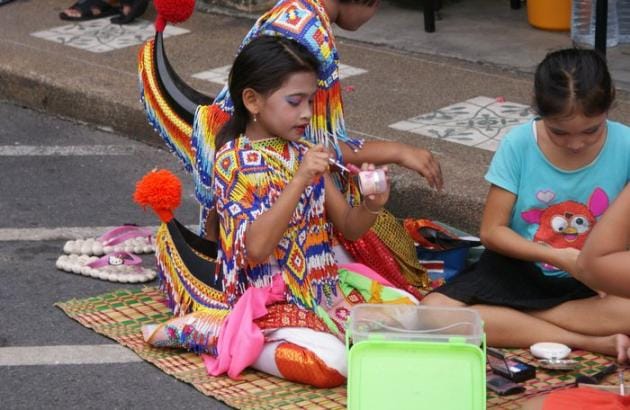
*## While Phuket has become a leading mass tourism destination and Thailand's second market after Bangkok, travel specialists and local businesses are digging deep into the island's rich culture and history to satisfy a growing demand from high-end visitors. The local Baba culture provides one such source of inspiration for those wanting to venture beyond the confines of the luxury resorts and spas. Straits Chinese, locally known as “Baba” or “Peranakan” settled in Phuket in the 19th century, drawn by opportunities in the island’s then fledgling tin mining industry. Pranee Sakulpipatana, vice president of the Thai Peranakan Association, whose family has lived in Phuket for 150 years, says when she was a child, 99 per cent of the 65,000 people living in the town were Baba. “We have a strong culture, and I tell locals we can use that to show people what Phuket is all about. The success of the annual Phuket Old Town festival [which follows Chinese New Year] shows the strength of Peranakan culture.”. Back then, the Ministry of Culture was desperate to help the local tourism industry recover. Forty eight couples joined the celebrations – a significant number given it was the year 2548 in Buddhist Era – which are hosted in local historic buildings and feature a tea ceremony, various rites and rituals specific to the Baba culture, traditional dress and plenty of local cuisine. “I am proud to show our culture and give back to Phuket.”. Travel specialists agree that Phuket’s unique history and culture can be used to market the destination with wealthy visitors. Khiri Group has developed its ‘Cultural Walk’ to provide small groups with a chance to explore Old Town at street level. “The walk is all about learning the local lifestyle,” says Andre van der Marck, the company’s vice president. Hans van den Born, managing director of Diethelm Travel Thailand, agrees that Peranakan culture, Sino-Portuguese architecture and the mansions of former tin barons, as well as visits to local fishing villages can all feature in itineraries for luxury groups. “Certainly more can be done to promote cultural tourism in Phuket, but the more awareness there is, the more it will be developed.”.*
Published: 2026-03-14 16:58 UTC Event date: developing
Phuket’s efforts to boost heritage tourism are gaining momentum as local businesses and travel specialists tap into the island’s rich cultural traditions to attract high-end visitors, even as mass tourism continues to dominate the market. Recent events have highlighted the island’s unique blend of history and culture, offering both residents and tourists new ways to experience Phuket beyond its beaches.
A recent celebration showcasing the Baba, or Peranakan, heritage drew attention to Phuket Town’s deep-rooted cultural identity. Forty-eight couples participated in the annual Baba wedding ceremony, an event featuring traditional dress, a tea ceremony, and age-old rites performed in historic buildings. The number of couples was especially significant this year, as it matched the Buddhist Era year 2548. Organized by the Thai Peranakan Association, whose vice president Pranee Sakulpipatana’s family has lived in Phuket for 150 years, the event underscored the enduring presence of the Baba community. According to Sakulpipatana, when she was a child, 99 percent of the town’s 65,000 residents were Baba, reflecting the community’s once-dominant influence.
The focus on heritage has been further amplified by the arrival of Carnival Magic, the world’s first Thai Carnival theme park, which opened recently in Phuket. The park combines entertainment with cultural storytelling, providing visitors with immersive experiences that draw on Thailand’s festive traditions. This development is part of a broader trend targeting high-end travelers seeking authentic, culturally rich activities during their stay.
Phuket’s Yaowarat Road has also garnered international attention, being named one of the world’s ‘coolest’ streets by Time Out magazine. The recognition is expected to boost interest in the area’s historic architecture, local cuisine, and vibrant street life, benefitting small businesses and encouraging tourists to explore beyond the island’s popular resort areas.
For both residents and visitors, the growth of heritage tourism offers economic opportunities while fostering a deeper appreciation for Phuket’s diverse cultural landscape. Local businesses, from tour operators to restaurants, stand to gain as more tourists seek out historical and cultural experiences.
As Phuket continues to balance mass tourism with the preservation and promotion of its unique heritage, stakeholders are watching closely to see how these initiatives will shape the island’s future. With increased international recognition and new attractions focused on culture, heritage tourism is poised to play a larger role in Phuket’s economy and identity.
Source: https://www.nationthailand.com/thai-destination/30264019