Phuket History: From tin to tourism - Thaiger
In that same year the Tourism Organization of Thailand, predecessor to the current Tourism Authority of Thailand, drew up a master plan to transform Phuket Island into a haven for tourists. Fast forward 10 years from…
*In that same year the Tourism Organization of Thailand, predecessor to the current Tourism Authority of Thailand, drew up a master plan to transform Phuket Island into a haven for tourists. Fast forward 10 years from…*
Published: 2026-03-15 01:26 UTC Event date: developing
# Phuket History: From Tin to Tourism
The Transformation of Phuket’s Economy
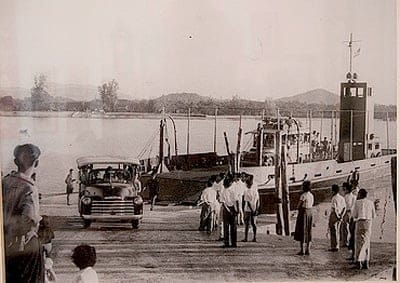
Phuket has undergone a dramatic transformation over the past few decades, shifting from its historic reliance on tin mining and rubber production to becoming one of the world’s premier tourist destinations. The island’s journey into tourism began in earnest in July 1967 with the official opening of the Sarasin Bridge, which for the first time provided a road link between Phuket Island and the Thai mainland. This new connection allowed both foreign and domestic tourists to visit Phuket by bus, although the trip from Bangkok took approximately 17 hours.
Early Tourism Infrastructure and Growth
Following the opening of Sarasin Bridge, Phuket quickly began to adapt to its new role as a tourist hub. In the same year, the Tourism Organization of Thailand—now known as the Tourism Authority of Thailand—created a master plan to develop Phuket into a tourist haven. By June 1977, the Bangkok Post reported the emergence of hundreds of small bungalows, rooms, and shelters along the island’s beaches. On Nai Harn Beach alone, there were eight beachfront bungalows in 1977, owned by a local woman and her daughter, with rooms in such high demand that for every occupied room, five couples were waiting for vacancies. At the time, a night’s stay in one of these bungalows cost just 20 baht.
Backpackers and Budget Accommodation in the 1970s
Phuket’s early tourism scene was defined by its appeal to backpackers and budget travelers. Tony Wheeler’s influential 1975 travel guide, "South East Asia on a Shoestring," described Patong Beach as a long, white stretch of sand with clear waters and a growing nightlife scene. Dozens of hotels and restaurants had already been established along Patong Beach by the mid-1970s. Backpackers could rent floor space in beachside restaurants for as little as three baht per night, with mats available for an additional two to four baht. Researcher David Kirk documented that bungalows with double beds on Kata Beach were available for 60 baht per night, while those willing to bring their own sleeping bags could sleep on the floor for just 10 baht. At that time, the more upscale hotels were located in Phuket Town rather than near the beaches.
Challenges and Turning Points
While Phuket’s reputation as a tourist paradise grew throughout the late 1970s and early 1980s, the island faced significant challenges. In June 1986, a major incident occurred when rioters set fire to a tantalum plant and the Phuket Merlin Hotel, temporarily damaging the island’s image as a safe destination. Despite such setbacks, Phuket’s tourism industry continued to expand, eventually attracting millions of visitors annually and developing into a destination known for its luxury resorts and vibrant nightlife.
Phuket’s evolution from a quiet, underdeveloped island to a global tourism hotspot has been shaped by infrastructure improvements, entrepreneurial locals, and shifting travel trends. As the island continues to grow, ongoing development and the balance between preservation and progress remain key issues to watch in the years ahead.
Source: https://thethaiger.com/thai-life/phuket-history-tin-tourism