
Thai resort island Phuket grapples with growing garbage crisis
Thai resort island Phuket grapples with growing garbage crisis. Thai resort island Phuket grapples with growing garbage crisis Plastic bottles and empty beer...
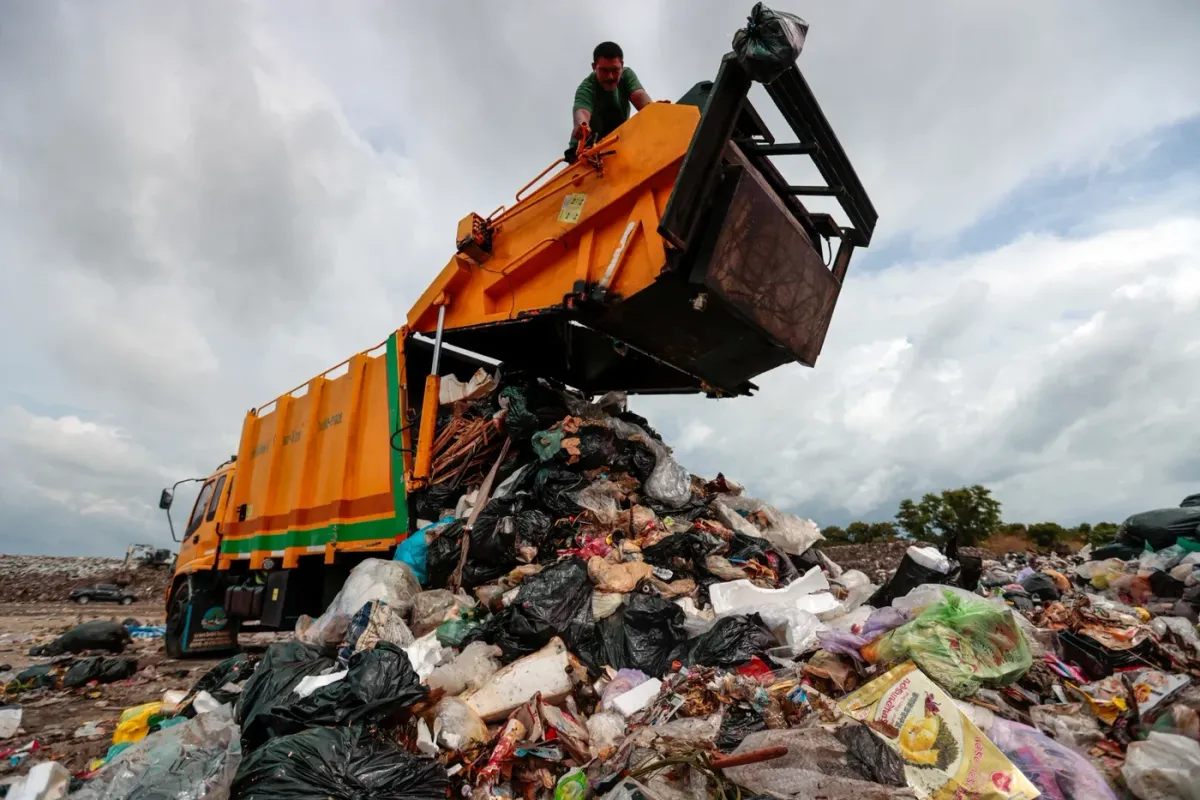
*In one corner of the island, trucks and tractors trundle back and forth moving piles of trash around a sprawling landfill, the final destination for much of the more than 1,000 tonnes of waste collected on Phuket every day. Phuket, Thailand's largest island, has undergone rapid development due to its tourism sector, a major driver of the Thai economy as a whole. "The growth of (Phuket) city has been much more rapid than it should be," said Suppachoke Laongphet, deputy mayor of the island's main municipality, explaining how a tourism and construction boom has pushed trash volumes above pre-COVID levels. By the end of the year, the island could be producing up to 1,400 tonnes of trash a day, overwhelming its sole landfill, he said. Authorities are pushing ahead with plans to cut waste generation by 15% in six months, expand the landfill and build a new incinerator, he said, as the island strives to become a more sustainable tourist destination.*
Published: 2026-03-14 16:48 UTC Event date: developing
Phuket, Thailand’s largest resort island, is confronting a mounting garbage crisis as daily waste generation surpasses 1,000 tonnes, threatening both the environment and quality of life for residents and visitors. The problem has become especially acute in recent months, with local landfills expanding rapidly and trash accumulating on beaches and in surrounding waters.
Along the island’s coastline, plastic bottles and empty beer cans have become a common sight on the sea floor, tarnishing Phuket’s reputation for pristine beaches and clear waters. Inland, the situation is equally dire. At one landfill site, trucks and tractors work constantly to manage growing piles of refuse, which have quickly overtaken previous views of the island’s lush mountains.
For local residents like Vassana Toyou, the impact has been immediate and severe. Once able to enjoy the natural scenery from her home, Vassana now keeps her windows shut and relies on air conditioning and purifiers to cope with the pervasive stench. “The smell is very strong, you have to wear a mask,” she said, noting that her electricity bills have doubled as a result.
The surge in waste is closely linked to Phuket’s rapid development as a tourism hub. Of the 35.5 million international tourists who visited Thailand so far in 2024, roughly 13 million arrived in Phuket. Suppachoke Laongphet, deputy mayor of Phuket’s main municipality, said the boom in tourism and construction has driven daily trash volumes well above pre-pandemic levels. He warned that by year’s end, the island could be producing up to 1,400 tonnes of garbage each day, overwhelming its sole landfill.
In response, local authorities are launching a multi-pronged effort to address the crisis. Plans are underway to cut waste generation by 15 percent within six months, expand the landfill, and construct a new incinerator as part of a broader push toward sustainability. However, experts caution that simply increasing landfill capacity and incineration facilities will not be enough.
Panate Manomaivibool, an assistant professor in waste management at Burapha University, emphasized the need for waste reduction and better separation practices. “If you just keep expanding more waste incinerators, I don't think that would be just the solution,” he said.
As Phuket continues to attract millions of tourists, both authorities and the local community face pressing decisions about how to manage waste sustainably. The effectiveness of proposed measures will be closely watched in the coming months as the island seeks to balance economic growth with environmental responsibility.
Source: https://www.nationthailand.com/sustainability/40045264