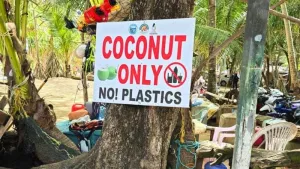
Rawai launches coconut waste separation project to cut disposal costs
Rawai Municipality has started separating and processing coconut waste into coconut coir after discarded coconuts became a mounting problem, with officials saying the project now handles about 1,000 kilogrammes a day and cuts disposal costs.
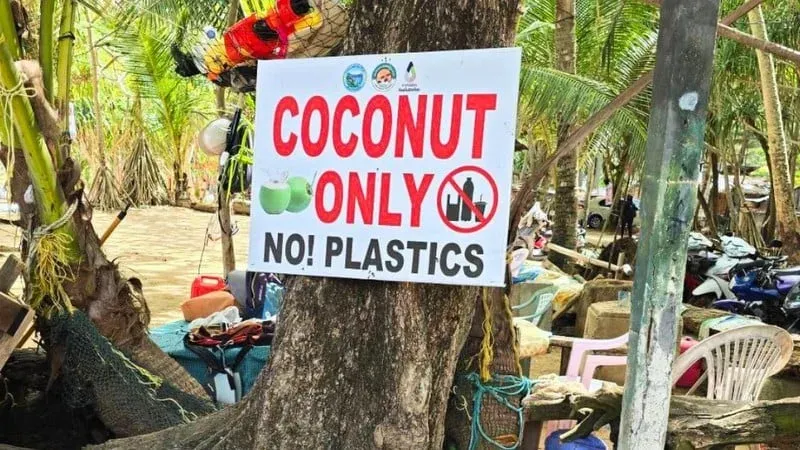
Rawai Municipality has launched a coconut waste separation project after discarded coconuts became a growing waste problem in the beachside community, Mayor Thames Kraitat said.
The municipality said Phuket generates more than 10,000 discarded coconuts each day, while Rawai alone produces about 40 tonnes of waste per day, rising to as much as 80 tonnes during the high tourist season. Organic waste makes up the largest share.
Previously, coconut shells and husks were mixed with general waste and transported to the Saphan Hin incinerator site, which the municipality said increased transport costs and created operational problems for waste collection crews.
Mayor Thames said coconut waste damaged garbage truck compactors, increased disposal costs and contributed to waste accumulation in the area.
To address the problem, Rawai Municipality signed Memorandums of Understanding with businesses at Nai Harn Beach, Yanui Beach, Rawai Beach and the Rawai Sea Gypsy Fish Market to separate coconut waste before disposal.
Under the project, businesses place coconut husks at designated collection points, where the waste is shredded into coconut coir using specialised machinery. Municipal officials said the programme currently processes about 1,000 kilogrammes of coconut waste per day, reducing disposal costs by around B725 daily and cutting the amount of waste sent to Phuket’s incinerator.
The processed coconut coir is distributed to residents for agricultural use, including as mulch, fertiliser and for soil improvement.
Mayor Thames said the project showed that properly separated waste could benefit both the environment and the community. He also said it was helping build public confidence in waste separation by countering the perception that separated waste would later be mixed together.
Rawai Municipality plans to expand the project to additional areas including Rawai Beach, Pak Bang Beach and the Sai Yuan commercial zone, while increasing the number of shredding machines to handle rising organic waste volumes. Officials estimate the expanded programme could eventually reduce coconut waste entering Phuket’s incinerator system by up to two tonnes per day.
The municipality is also linking the initiative with vocational training run through its Social Welfare Division. Residents, senior citizens groups and local environmental volunteer clubs are being trained to produce potting soil from coconut coir to create supplementary income and small-scale community business opportunities.
Mayor Thames said the long-term aim was to turn waste into an economic resource while helping address Phuket’s rubbish problem.
Rawai Municipality also reported growing participation in its community waste bank programme, which has operated for two years. Membership has increased from 80 to 150, while recyclable waste collected has risen from about one tonne to 2.5 tonnes.
Municipal officials said the coconut waste project was also raising environmental awareness among residents and tourists and encouraging wider cooperation in waste management.