
Phuket History: From tin to tourism - Thaiger
In that same year the Tourism Organization of Thailand, predecessor to the current Tourism Authority of Thailand, drew up a master plan to transform Phuket Island into a haven for tourists. Fast forward 10 years from…
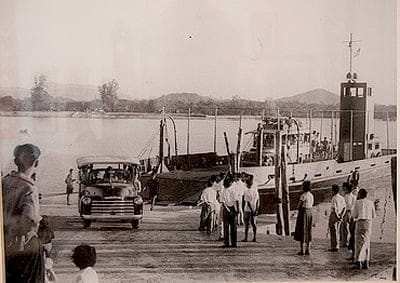
*In that same year the Tourism Organization of Thailand, predecessor to the current Tourism Authority of Thailand, drew up a master plan to transform Phuket Island into a haven for tourists. Fast forward 10 years from…*
Published: 2026-03-15 23:09 UTC Event date: 2012-01-17
Phuket History: From Tin to Tourism
Phuket’s transformation from a quiet island known for tin and rubber to a world-class tourist destination began in earnest in the late 1960s, following the opening of the Sarasin Bridge in July 1967. The bridge created the first road link between Phuket Island and mainland Thailand, making it accessible to both domestic and international visitors. This development, along with a strategic tourism master plan by the Tourism Organization of Thailand, marked the start of Phuket’s rapid rise as a tourist hotspot.
The Opening of Sarasin Bridge and Tourism Growth
The official opening of Sarasin Bridge in July 1967 was a turning point for Phuket’s tourism industry. Before this, reaching the island was a challenge, but the new road connection allowed visitors to travel by bus, albeit on a lengthy 17-hour journey from Bangkok. The bridge’s completion coincided with the Tourism Organization of Thailand’s initiative to position Phuket as a premier destination for travelers. This move laid the foundation for the island’s future as a tourism hub, drawing increasing numbers of visitors each year.
Early Phuket Accommodation: Bungalows and Backpackers
By June 1977, a decade after the bridge’s opening, the Bangkok Post reported hundreds of small bungalows and shelters lining Phuket’s sandy beaches. On Nai Harn Beach alone, eight bungalows were owned and operated by a local family, with each room rented for 20 baht per night. Demand was high, with reports of five couples waiting for every available room. In Patong Beach, described by Tony Wheeler in his 1975 travel guide as “long, white, clean and lapped by picture postcard clear waters,” dozens of hotels and restaurants catered to budget travelers. Backpackers could rent floor space for as little as three baht a night, with mats available for an extra two to four baht.
Evolution of Phuket’s Tourist Offerings
Accommodation options continued to expand in the 1970s, with research from David Kirk noting that bungalows with double beds on Kata Beach cost about 60 baht per night, while basic floor space was available for 10 baht if guests brought their own sleeping bags. John’s Bungalows, another popular spot, offered huts for 35 baht per night. At this time, higher-end hotels were found primarily in Phuket Town rather than along the beaches. The affordable rates and simple lodgings made Phuket especially attractive to backpackers and budget-conscious tourists throughout the late 1970s.
From Budget Destination to International Resort
Phuket’s reputation as a relaxed and affordable getaway continued to grow until the mid-1980s, when the island began to attract a broader range of visitors. However, in June 1986, Phuket’s image suffered a setback after rioters set fire to a tantalum plant and the Phuket Merlin Hotel, highlighting tensions amid rapid development. Despite these challenges, Phuket’s tourism industry rebounded and evolved, eventually becoming a global destination known for luxury resorts and vibrant nightlife.
Phuket’s journey from tin mining to tourism reflects decades of transformation. With infrastructure improvements and strategic planning, the island shifted from a backpacker haven to a top choice for international travelers. As Phuket continues to develop, future changes in tourism trends and infrastructure will be closely watched by both local stakeholders and the global travel industry.
Source: https://thethaiger.com/thai-life/phuket-history-tin-tourism