
Police policy board member proposes seven urgent measures to ‘reset Phuket’
A National Police Policy Committee member has proposed seven urgent measures to tackle grey capital, nominee real estate activity and systemic governance problems in Phuket, saying the island’s troubles now affect Thailand’s international credibility.
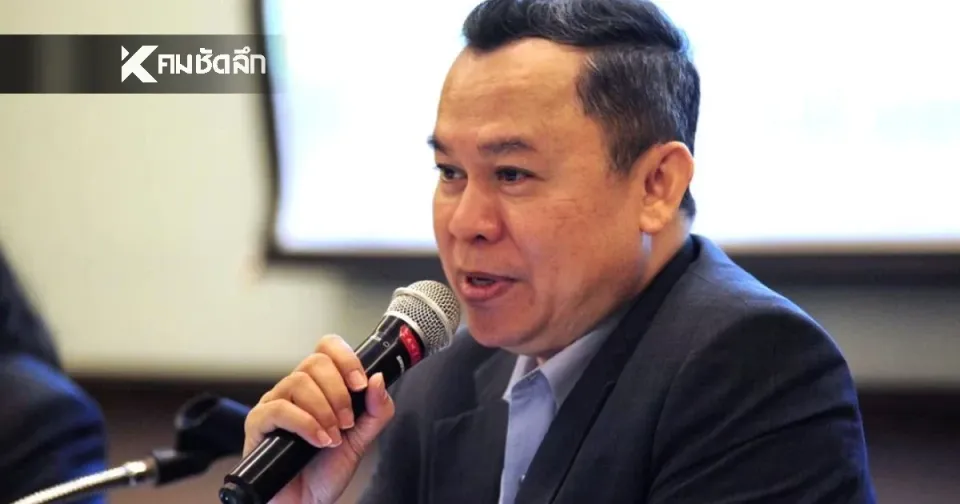
A member of Thailand’s National Police Policy Committee has proposed seven urgent measures to “reset Phuket,” arguing that the island’s problems extend beyond crime and tourism and now threaten confidence in Thailand.
Noppadol Kannika, an expert member of the committee representing the public sector, said Phuket has become a place that connects Thailand with the world, welcoming tourists, investors, retirees, entrepreneurs and residents from many countries. Because of that role, he said, problems in Phuket affect not only local people but also Thailand’s image, credibility and trust in the eyes of the international community.
According to Noppadol, complaints linked to Phuket include the alleged use of Thai nominees in real estate businesses, sales agreements that were not honored, unfinished construction projects, failure to return money or benefits under contracts, and money being moved outside the Thai economic system. He said some cases also involve the use of gaps in state agencies or private professional services to make improper actions appear lawful.
He described Phuket’s situation as a multidimensional systemic problem involving foreign capital, nominee structures, real estate, licensing, urban planning laws, engineering offices, lawyers, accountants, influential figures, migrant labor, law enforcement and public confidence.
Noppadol said that if the issues are left unresolved, the damage would go beyond individual foreign buyers or specific operators and would directly affect Thailand’s reputation, competitiveness and broader economy. He said Phuket is a key window through which the world views Thailand, and that any loss of confidence in Phuket would also raise questions about Thai tourism, investment, rule of law and competitiveness.
He also referred to a visit to Phuket by Anutin Charnvirakul, identified in the source as prime minister and interior minister, saying the trip sent an important policy signal that the government is serious about restoring confidence among residents, investors and tourists. He said the visit, fact-finding and direction for agencies to work together reflected an effort to balance economic growth, law enforcement and the protection of long-term national interests.
On policing, Noppadol said the Royal Thai Police under national police chief Kitrat Phanphet had continued to adjust personnel management and law-enforcement strategy in Phuket to align with government policy and local administration. He said success should ultimately be measured not only by case numbers or arrests, but by levels of safety, fairness and confidence.
Noppadol said Phuket needs more than case-by-case arrests and called for an integrated urgent operation to restore confidence. He proposed setting up a special Phuket operations center bringing together police, administrative authorities, immigration, the Department of Business Development, revenue officials, land authorities, local government bodies and labor agencies.
His seven proposed measures also include examining corporate structures at risk of being nominee businesses through shareholder data, financial trails, financial statements, construction permits and beneficial ownership; investigating real estate projects facing complaints, especially unfinished construction, contract breaches and failures to refund money or benefits; and closely reviewing construction permit systems and local licensing, especially in engineering divisions, municipalities, district offices and other project-approval bodies.
The remaining measures call for regulating migrant workers and foreign operators by separating legal workers from concealed business activity and those linked to crime or influential networks; upgrading tourist police and local police into a “Tourist Trust Police” system aimed at restoring trust among tourists, investors and residents; and using data science and methodology to create a Phuket risk index by linking complaint cases, company data, permits, financial statements, migrant labor information, crime data and public feedback.
Noppadol said Phuket’s problems should be addressed through data, strategy and cooperation among multiple agencies rather than ad hoc discretion. He said the goal is not to make Phuket frightening for honest people, but to ensure it is not a safe area for corrupt actors, fraudsters, illegal nominees, grey capital networks, influential groups, or compromised officials and politicians.
He said that if Thailand can successfully reset Phuket’s governance system, strengthen rule of law, improve transparency and establish new standards for managing a world-class tourism city, Phuket could become not only a global tourist destination but also a model for restoring trust.