
Almost half of people screened in Phuket classified as high-risk for NCDs
Of 20,166 people screened in Phuket, 9,384 were classified as high-risk for non-communicable diseases, according to the Phuket NCD Executive Dashboard.
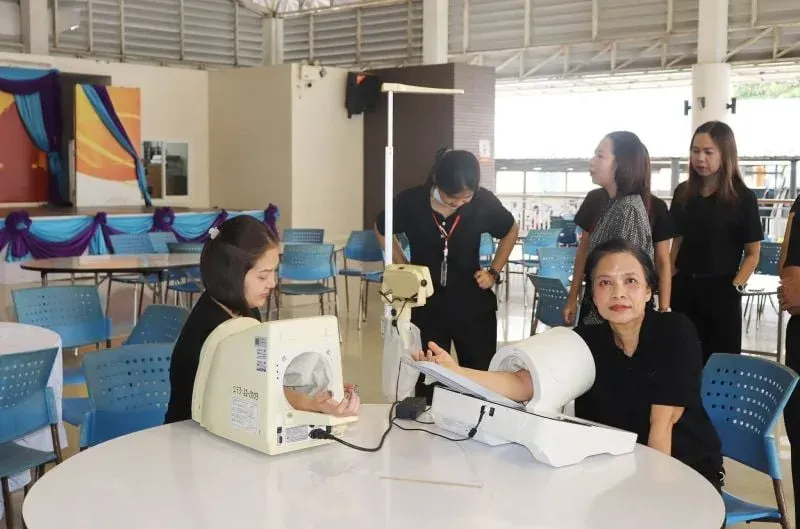
Almost half of the 20,166 people screened for non-communicable diseases (NCDs) in Phuket were classified as high-risk, according to data from the Phuket NCD Executive Dashboard.
The dashboard data, recorded as of Nov 20, showed that 9,384 people, or 46.5% of those screened, were in the high-risk category. A further 5,900 people, or 29.3%, were classified as at risk, while 4,882 people, or 24.2%, were considered healthy.
The screening also identified 8,087 people with obesity, 1,945 with high blood pressure and 824 with diabetes.
The figures were presented as the Phuket Provincial Administrative Organisation (PPAO) outlined plans for its Phuket Health Sandbox project for fiscal 2027. The project aims to prevent chronic diseases through earlier identification of risk and continued health monitoring.
PPAO Chief Executive Rewat Areerob presented the initiative at a press conference at Robinson Chalong on June 23. Under the theme “Phuket Residents: Know Your Risks, Change Your Life, Conquer NCDs”, the programme is intended to move beyond routine screening by providing individual risk assessments, supporting changes in health behaviour and monitoring people over time.
The PPAO plans to expand access to screening and use health data to develop care plans based on individual risk levels. The programme will be implemented through cooperation between Subdistrict Health Promoting Hospitals and other local healthcare facilities.
The stated objectives are to reduce chronic disease rates and the risk of serious illness, while easing the burden on families caring for people with long-term health conditions. The PPAO said the 2027 programme would focus on measurable public health improvements rather than simply increasing the number of people screened.