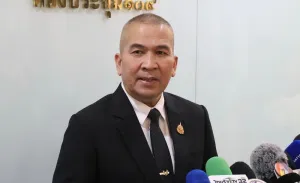
Nirat outlines world-class tourist city vision to government trainees in Phuket
Former Phuket Governor Nirat Pongsitthavorn told senior government trainees in Phuket that effective city management, transparency and sustainable development are key to building a world-class tourist destination.
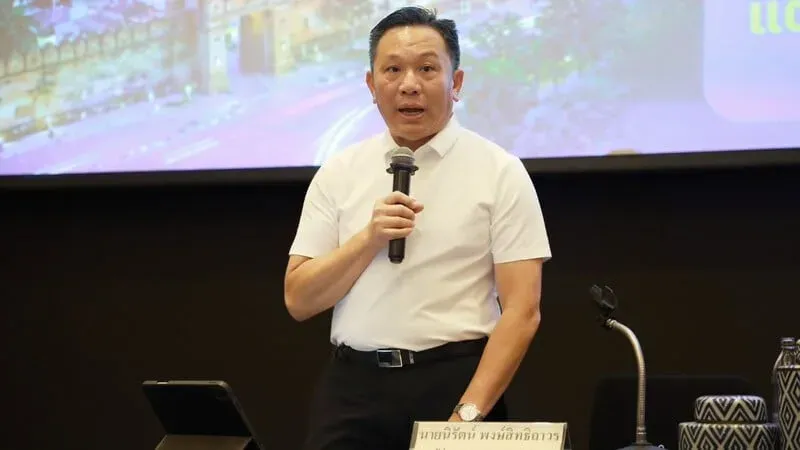
Former Phuket Governor Nirat Pongsitthavorn delivered a keynote presentation in Phuket on Wednesday outlining his vision for managing cities toward becoming world-class tourist destinations.
Speaking to about 100 participants in the 85th Advanced Public Administration Training Program at The Metropole Hotel Phuket in Phuket Town, Nirat presented a talk titled “City Management towards Becoming a World-Class Tourist City: Lessons from Chiang Mai to Phuket”.
The event took place a day after the Cabinet approved an order by Prime Minister and Interior Minister Anutin Charnvirakul to remove Nirat from his post as Phuket governor and appoint him Deputy Permanent Secretary of the Ministry of Interior in Bangkok. However, the current Assistant to the Governor later told The Phuket News that Nirat would remain in the role until the transfer is ratified by announcement in the Royal Gazette.
The Wednesday session formed part of the Ministry of Interior’s fiscal 2026 training programme for senior government officials on a study tour of Southern Thailand. Attendees included newly appointed Phuket Vice Governor Romdon Hayi Awae, Damrong Rajanupab Institute Director Chakraphan Rattanasathien, advisory faculty members and representatives from government agencies across Phuket.
Drawing on his experience as governor of both Chiang Mai and Phuket, Nirat said the success of major tourism provinces depends not only on natural attractions, culture and cuisine, but on effective city management. He said four elements were essential for developing a world-class tourist destination: attractiveness, convenient transport, safety and reliability, and sustainable growth.
He cited Chiang Mai’s recovery after the COVID-19 pandemic as an example, attributing it to confidence-building measures, the restoration of international flights, overseas marketing campaigns and cooperation between the public and private sectors.
Turning to Phuket, Nirat said the province continued to face challenges including nominee business structures, illegal businesses, crime, encroachment on natural resources and corruption. He said the “Phuket Model” was intended to address those issues through good governance, transparency, open data and integrated cooperation among government agencies, with the aim of strengthening confidence among residents, investors and tourists.
Nirat also said environmental, social and governance principles were becoming increasingly important in tourism development, and that future destinations must be clean, safe, environmentally responsible and backed by transparent and accountable administration.
After his presentation, trainees received an online briefing from the Office of Transport and Traffic Policy and Planning on the proposed Land Bridge project linking Chumphon and Ranong. The programme continued with working-group discussions and later visits to Prince of Songkla University Phuket Campus, the Phuket Provincial Administrative Organisation and Phuket Old Town as part of the study tour.