Phuket landfill partially reopens after four-day closure
Limited rubbish intake resumed at Phuket’s provincial landfill on 12 November after illegally dumped waste blocked access. The governor issued five emergency directives as authorities manage the backlog.
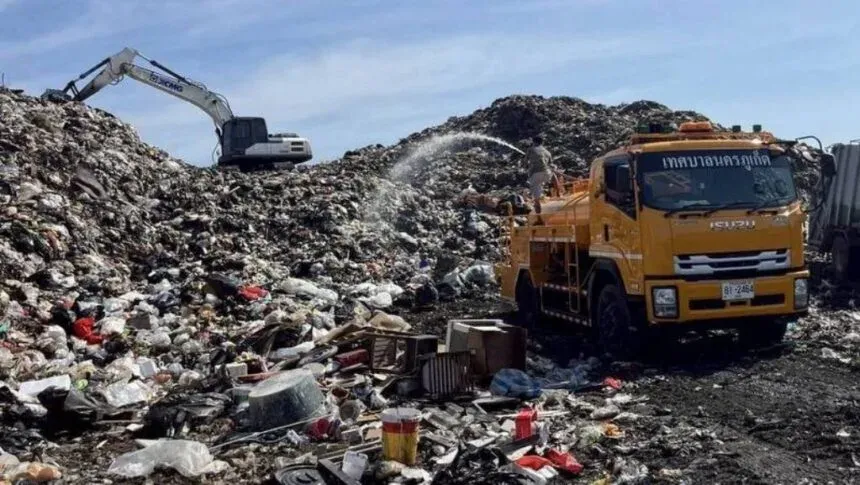
Phuket City Municipality partially resumed accepting rubbish at the provincial landfill on 12 November, four days after illegally dumped waste blocked the facility’s main access road and halted deliveries across the island.
The limited reopening followed the clearance of enough waste to restore some access, but full operations remain pending. The closure forced 18 local administrative organisations to suspend or delay rubbish collections, leaving uncollected waste in residential and commercial areas.
Collection schedules are gradually being restored, while wet or unseparated waste is being rejected at municipal transfer points. Mayor Suppachoke Laongphet said crews were still reorganising dumping zones inside the Saphan Hin disposal centre, with daily intake caps remaining until full capacity returns.
During the closure, which began on 8 November, districts diverted rubbish to temporary holding areas and prioritised clearance around hospitals, fresh markets and densely populated housing estates. Workers are shredding fallen branches and turning organic waste into soil conditioner to create more space. Households have been told to drain liquid from food scraps and separate organic waste before putting bins out for collection.
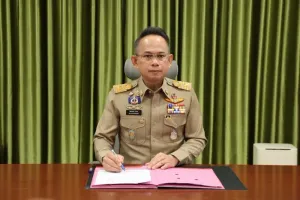
The provincial governor issued five emergency directives. They require crews to clear accumulated street waste and restore truck access, while police and municipal inspectors patrol landfill roads and take action against illegal dumping or obstruction of waste hauliers.
The measures also require environmental officers to monitor leachate, the liquid produced by rotting waste, to prevent runoff reaching nearby canals or coastal waters. Health teams are to track respiratory and sanitation complaints in surrounding communities. All 19 local jurisdictions must enforce waste separation and moisture reduction among households, restaurants and hotels, while officials prepare short- and long-term expansion plans, including incentives for businesses that reduce landfill volumes.
The disruption highlighted the facility’s capacity pressures. The integrated waste facility was designed to hold roughly 900,000 metric tonnes, but accumulated waste had exceeded 1.2 million tonnes when the shutdown began. Phuket’s existing incinerator is also strained by rapid urban growth, a year-round population increase and heavy rain, which can leave wet waste clogging sorting lines.
Construction is under way on a second incinerator designed to burn 500 metric tonnes of waste a day. Until it becomes operational, the province remains reliant on limited capacity at the existing facility.