Phuket officials propose watershed-based zoning to manage climate risks
The proposal would use watershed areas to guide land-use planning and identify risks from flooding, drought and extreme heat.
Phuket officials have proposed using watershed-based zoning to identify and manage risks from flooding, drought and extreme heat as rapid development puts pressure on the island’s infrastructure.
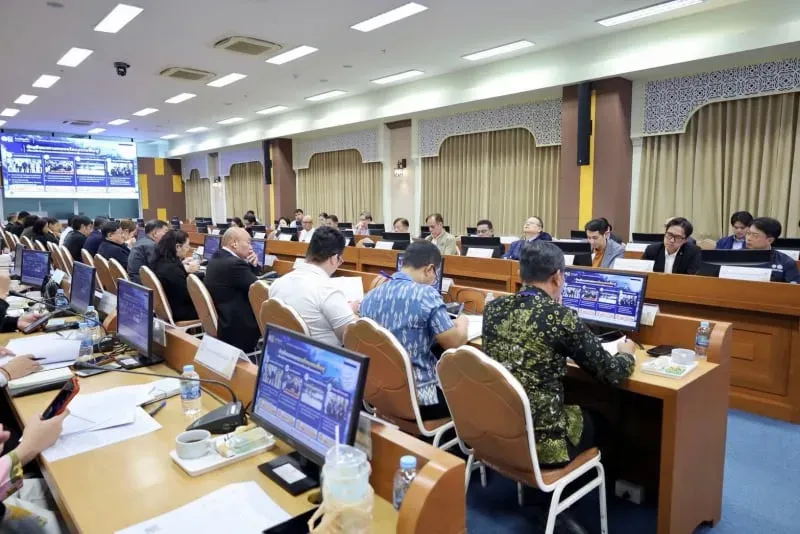
The proposal was presented on 6 November 2026 during World Town Planning Day activities at the Bhukitta Boutique Hotel Phuket, held under the theme “Thai Urban Planning for a Volatile World”. Phuket Governor Chotinarin Kerdsom presided over the event, which was attended by about 300 people from government agencies, educational institutions and other organisations. Thammarit Ritphakdee, chief of the Phuket Provincial Public Works and Town & Country Planning Office, also attended.
According to an official report on the event, the proposed approach would use watershed areas to assess environmental and disaster risks and guide land-use planning and future development. It would take account of the physical characteristics and limitations of individual areas rather than relying solely on conventional land-use zoning.
The report said Phuket faced growing planning challenges linked to urban expansion and tourism development, including pressure on infrastructure, public utilities and land resources. It described the integration of disaster-risk management into urban planning as essential to future growth while maintaining environmental balance and residents’ quality of life.
The event took place 12 days after heavy rain triggered flooding and a landslide in Patong, with damage estimated at B100 million, according to the report.
World Town Planning Day activities were held nationwide. At the national event in Bangkok, Arsit Samphantharat, permanent secretary of the Ministry of Interior, emphasised the role of the Department of Public Works and Town & Country Planning in setting land-use criteria and development guidelines. He said cooperation across sectors was needed to create cities able to withstand disasters, recover from crises and adapt to wider global changes.