
Phuket raids target six hotel establishments amid licensing backlog
Operators at six establishments in Kathu and Patong were arrested on 4 November for allegedly operating without hotel licences, as Phuket faces a long-running application backlog.
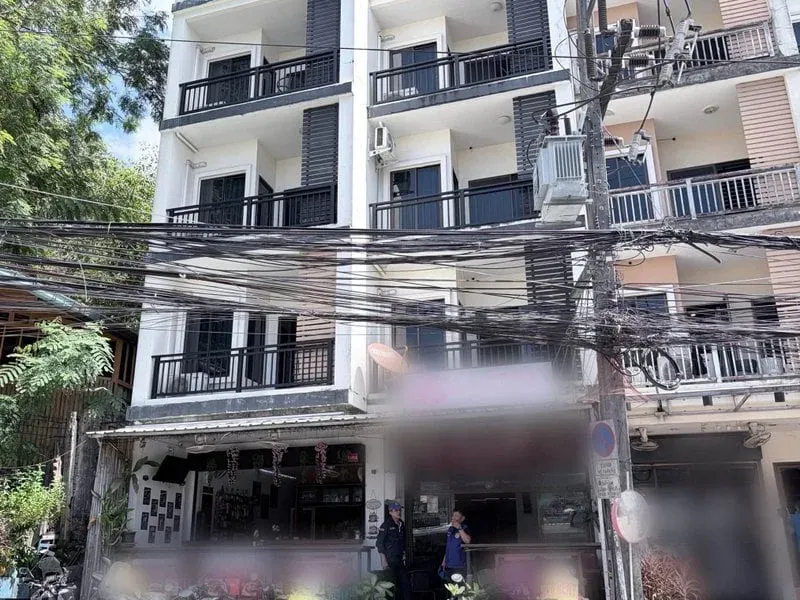
Six hotel establishments in Kathu and Patong were raided on 4 November, with operators arrested for allegedly operating without hotel licences, according to Phuket authorities.
Two establishments were inspected in Kathu at 11am, followed by four in Patong during an afternoon operation led by Vice Governor Romdon Hayiawae. Authorities said legal proceedings had been initiated against the operators.
The Phuket Provincial Public Relations Office and the National Broadcasting Services of Thailand reported that the inspections followed instructions from the Governor to continue action against illegal hotels. The order said the campaign aimed to establish proper industry standards, ensure fairness for compliant operators and strengthen public and tourist confidence in safety.
The raids came as Phuket’s hotel licensing system continues to face a substantial backlog. The Interior Ministry reported in June that the province had about 5,000 hotel establishments, but only around 800 held valid hotel licences. More than 400 applications had been held in the provincial regulatory system since 2018.
Deputy Interior Minister Worasit Liengprasit acknowledged in August that Phuket had previously issued only about 30 to 40 hotel licences a year. More than 300 applications were processed during June and July 2026, leaving approximately 100 under review at that time.
Operators have complained about overlapping laws, inconsistent interpretations and requirements involving building controls, fire escapes, fire-protection systems, town planning, wastewater treatment and land-title documentation. Some properties built under older regulations have also faced restrictions.
The Public Sector Anti-Corruption Commission joined Phuket provincial officials in inspecting accommodation establishments on 31 August. The inquiry examined the lengthy licensing process and potential opportunities for bribery, extortion and inappropriate official discretion. Proposals to amend five areas of legislation governing hotels and accommodation businesses subsequently included measures intended to close loopholes and reduce corruption risks.
The authorities have not publicly provided details of the licensing histories of the six establishments, including whether any had previously held licences, had applications pending or had sought renewals. They have also not explained how the province intends to address the longstanding administrative problems while continuing enforcement against businesses operating without approval.