
Phuket reservoirs recover after late-October rain, but dry-season risks remain
Phuket’s three main reservoirs gained more than 30% after late-October downpours, although levels remain below those recorded in 2024 and 2025.
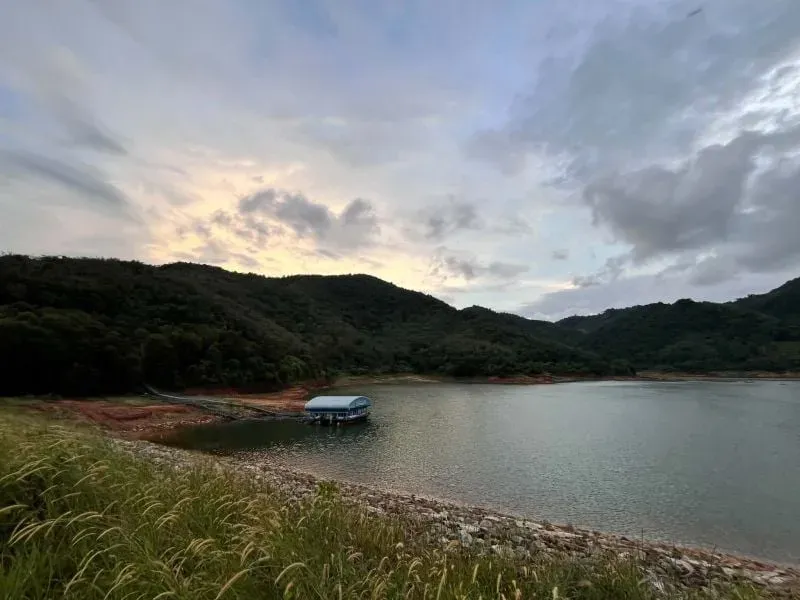
Phuket’s three main reservoirs gained more than 30% after heavy rain in late October, but officials are still preparing for possible dry-season water shortages on the island.
The reservoirs held a combined 11.56 million cubic metres on 22 October, four days before rainfall triggered flooding and landslides in parts of Phuket. By 4 November, the combined volume had risen to approximately 15.08 million cubic metres.
Bang Neow Dam Reservoir held about 3.7 million cubic metres, or 48% of capacity. Bang Wad Reservoir held 7.67 million cubic metres, or 75%, while Khlong Kata Reservoir held 3.71 million cubic metres, or 90%.
Despite the recovery, the combined reserves remained below levels recorded at the same point in 2024 and 2025. On 22 October, Bang Neow Dam held 3.14 million cubic metres, compared with 3.82 million in 2025 and 7.44 million in 2024. Bang Wad held 6.07 million cubic metres, against 10.08 million in both previous years, while Khlong Kata held 2.35 million cubic metres, compared with 3.23 million in 2025 and 4.11 million in 2024.
The shortfall followed an exceptionally dry September. Thailand Meteorological Department records show that September normally brings 399.1mm of rain to Phuket, based on a 30-year average. This year, the month recorded 187mm, less than half the average and the lowest September total since the severe drought of 2019.
During the 2019 drought, Bang Neow Dam fell to about 650,000 cubic metres by 22 October, while Bang Wad held 2.43 million cubic metres. The Provincial Waterworks Authority introduced water rationing in several residential and business areas in February 2019 as officials tried to conserve supplies until the annual rains returned.
Governor Chotinarin Kerdsom has instructed agencies to prepare for possible drought conditions and monitor risks associated with the El Niño phenomenon. Phuket Irrigation Office chief Thanit Yuthong previously said the water situation was not yet a cause for concern, forecasting further rainfall and saying supplies would be reassessed after mid-November. The assessment is expected to involve the Phuket Provincial Administrative Organisation and municipalities that depend on the island’s water sources.
The rain has not resolved Phuket’s longer-term water-security problems as its population, residential development and tourism industry continue to increase demand. Potential additional sources include Khlong Sa-ne Pho in Cherng Talay, where the Provincial Waterworks Authority has assessed the water as suitable for tap-water production, and Huai Ban Hua Khuan in Kamala. Plans for Khlong Sa-ne Pho include supplying Thalang and installing mobile water-treatment units.
Longer-term proposals include dredging Bang Wad Reservoir to add about 100,000 cubic metres of storage, developing the Khok Tanode water-storage project in Thalang and transferring water from Ratchaprapha Dam in Surat Thani through the Lum Ru Yai Reservoir in Phang Nga. Their current status, funding and delivery schedules have yet to be confirmed.