
ONYX plans Phuket hotel fundraising and new Kata beach project in B5.5 billion expansion
ONYX Hospitality Group said Phuket is central to its 5.5 billion baht expansion plan, with OZO Phuket set for fundraising through a real estate trust, a 2.8 billion baht EQ Phuket project planned at Kata Beach, and a major renovation scheduled for Amari Phuket.
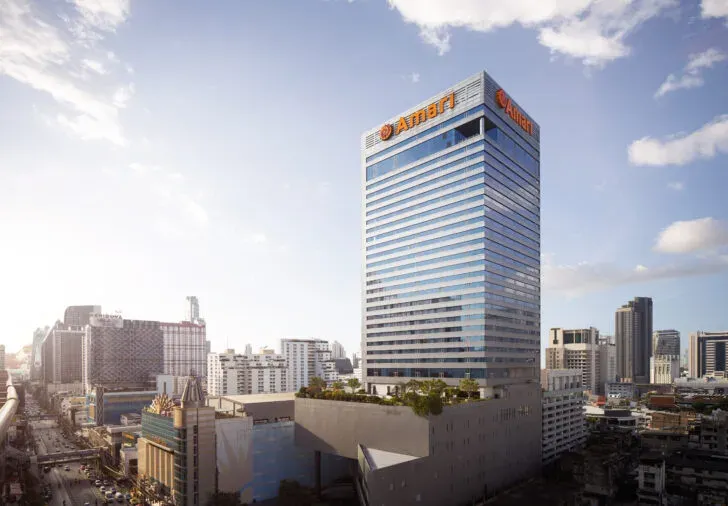
ONYX Hospitality Group said it will invest 5.5 billion baht over the next three years to expand its hotel and serviced apartment portfolio, with Phuket featuring in both its fundraising and development plans.
The company said OZO Phuket will be one of three core assets proposed for fundraising through ONYXRT, a real estate investment trust, alongside Amari Bangkok and OZO Samui. Chief executive Yuthachai Charanachitta said the company plans to begin a roadshow in June and expects to raise about 4.0-4.2 billion baht.
ONYX also said it is developing EQ Phuket, a project on 33 rai at Kata Beach in Phuket, with investment of about 2.8 billion baht. The company said the EQ brand has been well received in the Malaysian market and has potential to serve the high-end tourist segment in Phuket, which it said continues to grow.
In addition, the group said it plans a major renovation of Amari Phuket to strengthen its long-term competitiveness, support higher-quality tourism and increase the value of the asset.
Yuthachai said ONYX aims to expand its portfolio from 49 properties at present to more than 75 by 2030, especially in the Asia-Pacific region. The company said its growth strategy will continue through its core brands Amari, OZO and Shama.
He said competition in the upper-midscale hotel market has intensified, with operators accelerating renovations, rebranding and guest-experience upgrades as tourism recovers.
ONYX said India is one of the key source markets for Phuket, Pattaya and Bangkok, helped by visa-free measures that have significantly supported travel to Thailand.
The company said it is targeting 10.33 billion baht in revenue in 2026, up 14% from the previous year, while warning that the second half of the year will remain challenging because of a slowing global economy, Middle East tensions, oil price impacts and weaker consumer purchasing power in several countries.