
ISOC Phuket inspector asks committee to investigate corruption complaints
Inspector Nasiphas Chaiwimonsit has asked a House committee to examine an unresolved corruption investigation and ISOC Phuket energy-conservation spending.
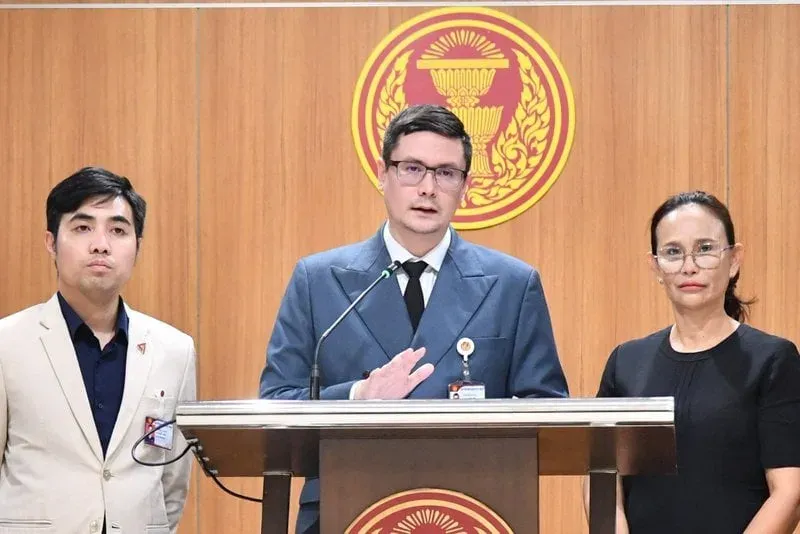
ISOC Phuket inspector Nasiphas Chaiwimonsit has asked the House Committee on Law, Justice and Human Rights to investigate complaints involving an unresolved corruption inquiry and energy-conservation projects carried out by ISOC Phuket.
Rangsiman Rome, chairman of the committee, received two letters from Ms Nasiphas at Parliament on Thursday, 13 August 2026.
The first complaint concerned what Ms Nasiphas described as an unfair investigation into alleged corruption involving an ISOC project in Phuket. The specific allegations were not disclosed. Ms Nasiphas said the investigation began in 2021 and had continued for five years without a conclusion. She did not identify the agency conducting it.
She also said she had effectively been left as the sole person responsible for the matter, while senior commanders had not been similarly affected. Ms Nasiphas rejected allegations linking her to a case centred on Yanui Beach and claims involving alleged benefits worth B1 billion. She said she had never visited the site, did not know the people involved and had followed regulations in planning and budgeting within her area of responsibility.
Her second letter asked the committee to examine spending on ISOC energy-conservation projects carried out between 2014 and 2016. She raised particular concerns about a solar power project in which car batteries were reportedly used to store electricity generated by solar panels, questioning whether the equipment was suitable.
Mr Rangsiman said any investigation would need to examine the project’s terms of reference, equipment specifications, median prices, procurement process, bidders, approving authorities, delivery and acceptance procedures, and the system’s performance after installation.
He said information from the Department of Alternative Energy Development and Conservation indicated that solar-energy projects for national security agencies had received policy-level support during the period. The Energy Conservation Promotion Fund Committee had previously approved B44.24 million for a project promoting solar power generation at military bases and B39.65 million for a solar project for border defence forces.
Mr Rangsiman said the committee would follow up on the complaints and gather documents and other evidence submitted by Ms Nasiphas. The complaints remain at the fact-finding stage, with no conclusion that corruption has occurred. Further information and explanations from ISOC and other parties will be required before any findings can be made.