UPDATE: Phuket ALRO land-use audit ordered to report within two weeks
Deputy Agriculture Minister Watcharaphon Khaokham has ordered a two-week audit of ALRO land in Phuket, including an inspection of Paradise Beach, to verify occupants, authorisations, land use and rents.
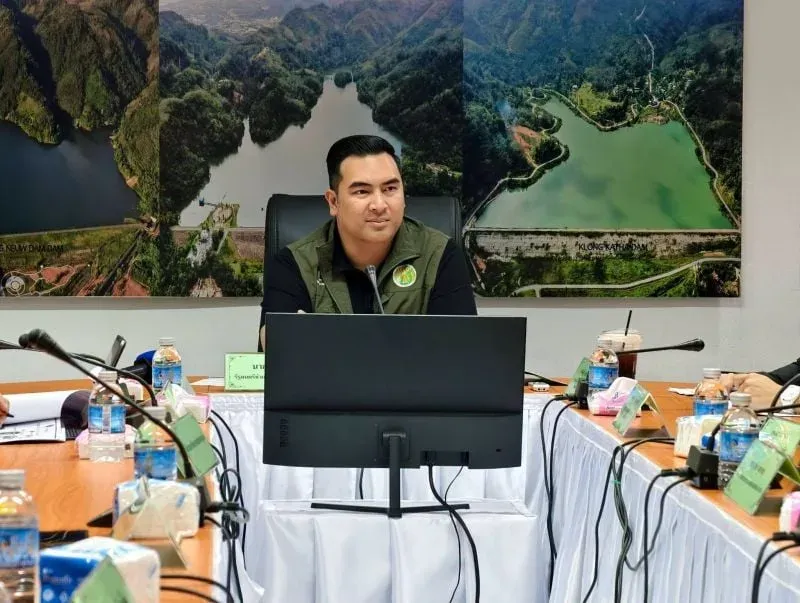
Thailand’s Deputy Minister of Agriculture and Cooperatives Watcharaphon Khaokham has ordered the Agricultural Land Reform Office (ALRO) and its Phuket office to complete a detailed, current audit of ALRO land across the province and submit the findings within two weeks.
The order was issued during Khaokham’s visit on 23 October 2026. The review will update land-use records, identify the people and businesses occupying the land, distinguish agricultural use from accommodation, restaurants and other businesses, and verify the authorisation status of each parcel. Officials must also check that land-use rights have not been transferred without authorisation and assess whether rents or other compensation are appropriate and fair.
Khaokham also inspected three plots at Paradise Beach in Pa Tong, Kathu, covered by Phuket ALRO lease permissions. The inspection examined lease contracts and approvals, whether operators were following their authorised plans, whether compensation was fair to the state and businesses, and whether the activities delivered tangible benefits to local farmers. He said permitted use must match actual activity and that Phuket should complete corrective action within 30 days where arrangements were not compliant.
Officials said Phuket has 32,722 rai under the ALRO scheme. Of this, 10,571 rai had been allocated across 10 subdistricts in three districts to 756 farmers, while more than 20,000 rai remained unallocated.
Officials put the agricultural portion at about 9,500 rai. Descriptions of a further 300 rai differed, with the land described as community land and shops in one account and as commercial use in the meeting figures. The resulting 771 rai is the residual within the 10,571 rai allocated total, not the amount still unallocated.
Officials also identified about 25 commercial businesses, including shops, restaurants, grocery stores and beverage outlets. Their rents were to be assessed by reference to Treasury Department rates.
Khaokham said land-use permissions must comply with ministry regulations and remain linked to agriculture, including supplementary livelihoods and services supporting farmers. He called for a business-matching scheme connecting authorised businesses with local farmers so they can source agricultural produce directly. He said the rules might also need updating so businesses operating on ALRO land are required to support farmers in the area rather than pursuing commercial benefits alone.
The meeting at the Phuket Irrigation Project meeting room in Kathu was attended by Phuket Vice Governor Romdon Hayiawae and officials from agencies under the Ministry of Agriculture and Cooperatives.
The ministry also identified closer links between agriculture and tourism as a priority, including processing, product development and agritourism. Products highlighted for development included rubber, oil palm, Phuket pineapples, durian, coconuts, phak miang (melinjo leaves), sato (stink beans), som khwai (garcinia) and local fisheries products such as the seven-coloured spiny lobster.
Phuket has more than 87,000 rai of agricultural land, with rubber its main economic crop. Fisheries generate an estimated B1.4 billion annually, while livestock contributes more than B140 million, according to figures presented at the meeting.
Officials were also instructed to strengthen flood monitoring and drainage, prepare water reserves for the dry season and peak tourism period, and accelerate efforts to capture and store water. Phuket’s three main reservoirs still have additional capacity, while the province is monitoring high-risk areas across its three districts and preparing for potential El Niño-related risks.