
11 visitors from Congo and Uganda under 21-day monitoring over Ebola concerns
Phuket is monitoring 11 visitors from Congo and Uganda for 21 days under Ebola precautions, with none showing symptoms and extra screening added at Phuket and Suvarnabhumi airports.
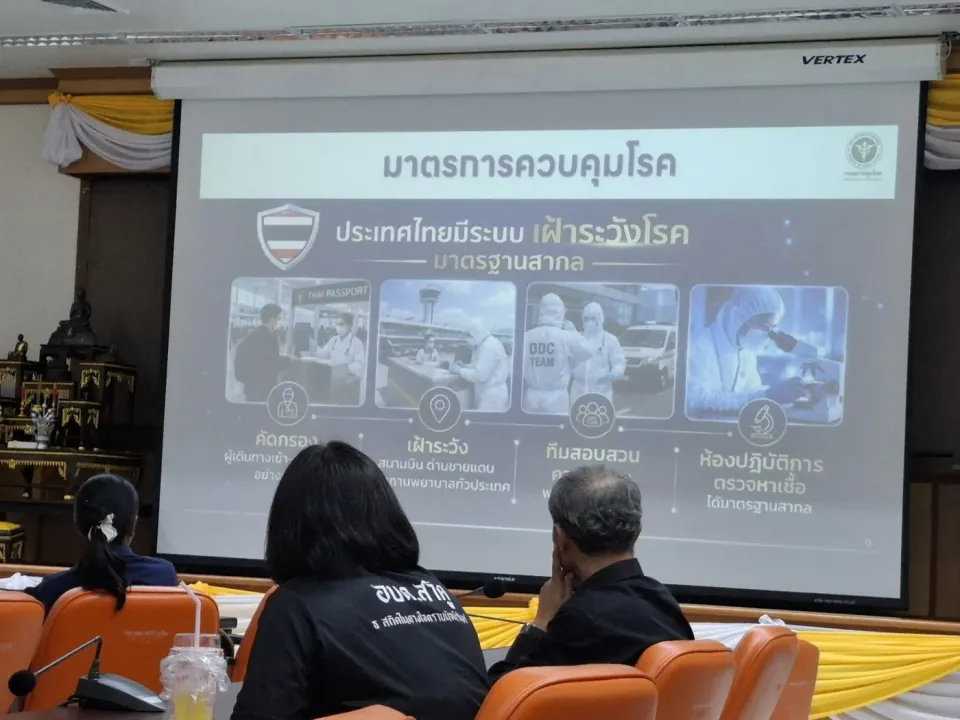
Phuket authorities have placed 11 visitors from the Democratic Republic of Congo and Uganda under 21-day quarantine or observation measures as the province tightens Ebola surveillance.
Governor Nirat Pongsitthavorn said after a meeting of the Phuket Communicable Disease Committee that the travellers had arrived at Phuket International Airport from countries classified as high risk. Two are in Thalang district and nine are in Patong, and all are being closely monitored by public health officials.
The move follows a Public Health Ministry declaration designating the Democratic Republic of Congo and Uganda as dangerous communicable disease zones. Travellers arriving from the two countries must undergo quarantine or be placed under observation at state-designated locations for at least 21 days to prevent any spread of the virus.
Nirat said Phuket's large number of international direct flights required the province to remain vigilant over Ebola outbreaks abroad. He said all 11 travellers came from countries with outbreaks but none had shown signs of illness and none met the criteria of a suspected case. The province immediately imposed control measures including symptom monitoring, travel restrictions and requiring them to remain at their accommodation throughout their stay in Phuket.
According to the governor, the monitored travellers are scheduled to gradually return to their home countries between May 28 and May 31. While they remain in the province, they will stay under strict surveillance measures to reduce any risk to the public. He added that stricter screening procedures could reduce the number of arrivals from high-risk areas because of more proactive health checks.
He urged residents not to panic, saying Ebola is not transmitted through the air or breathing but through direct contact with bodily fluids from an infected person. Because none of the travellers is sick, the chance of transmission is very low, he said, adding that all are already under official control.
Phuket provincial public health chief Dr Dusadee Kongtrakulsub said there had been no reports of suspected Ebola cases in Phuket. He said surveillance had been stepped up at all entry points, especially Phuket International Airport, which is a main gateway for foreign tourists in southern Thailand.
Additional screening measures have also been introduced at Suvarnabhumi International Airport. The Department of Disease Control has set up a dedicated screening counter for passengers arriving from risk areas before they proceed to immigration checkpoints.
DDC spokesperson Jurai Wongsawat told Thai PBS that passengers showing symptoms of illness would be referred to Bamrasnaradura Infectious Diseases Institute for further examination and treatment. Passengers without symptoms would remain under close observation for 21 days, according to the DDC.
Dusadee said Ebola spreads through direct contact with bodily fluids such as blood, saliva, mucus and tears, and not through respiration. Health officials said initial Ebola symptoms can resemble common illnesses, including high fever, fatigue, body aches, nausea and vomiting, while some patients may also experience abnormal bleeding. Officials warned that Ebola can become severe and has a high mortality rate if patients do not receive proper treatment.
Phuket Provincial Administration Organization President Rewat Areerob said Phuket had direct experience from its response to Covid-19, including quarantine systems, hotel capacity and public health arrangements, and was prepared to manage the situation.
Provincial authorities said no Ebola infections had been found in Phuket and that all measures now in place were preventive steps aimed at protecting residents and visitors.