Phuket reduces hotel licence backlog after eight years
Phuket processed more than 300 hotel licence applications in June and July, leaving about 100 under review, officials said.
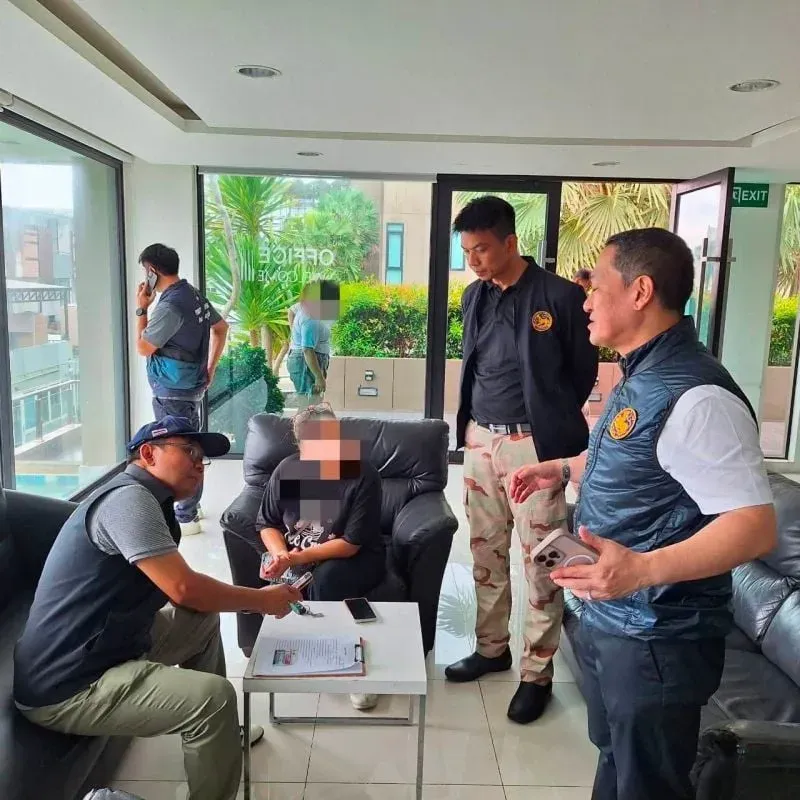
Phuket has reduced its backlog of hotel licence applications from more than 400 to about 100, with the remaining cases expected to be completed by September, Deputy Interior Minister Worasit Liengprasit said on Friday, 7 August.
The province had previously issued only about 30 to 40 hotel licences a year despite continued growth in tourism and accommodation. More than 300 applications were processed during June and July alone, Worasit said.
He was speaking at Phuket Provincial Hall, where he presided over the issuance of hotel business licences to 29 operators. The visit focused on bringing unlicensed hotels into the legal system, investigating businesses allegedly using Thai nominee arrangements to conceal foreign ownership, and reviewing regulations affecting entertainment and other service businesses.
Worasit said the government wanted businesses to operate legally while recognising that some operators faced legal and regulatory obstacles. Officials are compiling information on those difficulties for consideration of possible legal and regulatory amendments, provided that safety, security and the public interest are protected.
“Businesses that comply with the law need not worry,” Worasit said. He added that businesses found to be evading the legal system would face strict action, saying this was unfair to compliant operators.
Authorities are continuing investigations into alleged nominee businesses, with several cases referred to police, Worasit said. Complaints involving business ownership, citizenship or other legal rights would be investigated individually. He also ordered agencies to examine reports that some Thai citizens had been threatened or harassed by foreigners.
The meeting was attended by Phuket Governor Chotinrin Kerdsum, other provincial officials and representatives from the hotel and tourism sectors. Private-sector representatives also submitted proposals on zoning rules for entertainment and other service establishments.
Worasit did not explain why so many licences had been approved in a short period if the venues already met legal requirements. He also did not discuss whether officials, lawyers or accountants had faced charges over the formation of alleged nominee businesses.