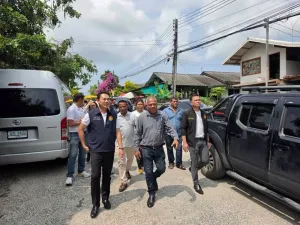
Phuket sets 80% food-waste reduction target by 2040
Phuket aims to cut food waste by 80% across at least 50 local administrative organisations by 2040 as part of a wider sustainable-city initiative.
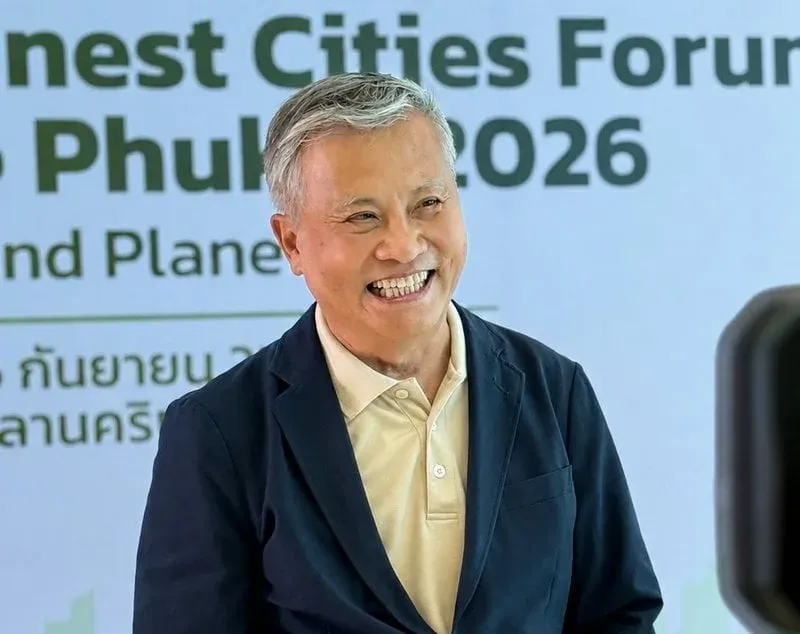
Phuket aims to cut food waste by 80% across at least 50 local administrative organisations by 2040, under a wider initiative to develop Southern Thailand as a green city and health-focused economic hub.
The target will be discussed at the Thailand Greenest Cities Forum & Expo @Phuket 2026, which Prince of Songkla University (PSU) Phuket is preparing to host from 24-26 September 2026. The forum is expected to bring together provincial administrative organisations, municipalities, sub-district administrative organisations, hospitals, hotels, property companies and other businesses.
PSU Phuket Vice President Assoc Prof Dr Phan Thongchumnum said the university was working with the Thai Urban Planning Association, local government organisations and business partners to promote sustainable development in Southern Thailand.
The forum will include the signing of four memoranda of understanding covering clean-energy cities and buildings; food-waste reduction and the circular economy; development of the South as a medical and health hub; and green, ecological and resilient cities. Organisers expect 10 provincial administrative organisations, 75 municipalities and sub-district administrative organisations, and more than 50 hospitals, hotels, property companies and medical businesses to participate.
Phuket is estimated to generate 470-500 tonnes of food waste a day. The amount is close to the surplus that cannot be handled by incinerators and must instead be sent to landfill.
Newin Chochaitip, chief executive of Cillian Innovation Co Ltd, said food waste should be reduced at its source rather than addressed only after disposal. Fresh markets, hotels, shopping malls, hospitals and educational institutions have been identified as key targets because they produce large volumes of waste from a relatively limited number of locations.
The proposed “Separate-Shred-Reuse” approach would require food scraps to be separated at source, shredded to reduce their weight and transport costs, and then reused, particularly in landscaping and agriculture. A variable waste fee based on the volume produced has also been proposed to encourage major waste generators to reduce waste at source.
The initiative is seeking government support for green loans for small businesses and local authorities, standards for materials derived from food waste, and regulations requiring large waste generators to separate food waste.
By 2040, it also aims for at least 10 local authorities and 30 hotels, hospitals, educational institutions and property businesses to adopt clean energy. Organisers estimate the wider initiative could generate economic value of at least B50 billion a year by 2040.
Separately, Phuket Rajabhat University launched its “Food Before Waste” campaign on 11 August 2026 in cooperation with the Scholars of Sustenance Foundation. The campaign encourages students and staff to take only what they need, finish their meals and reduce food waste.
A “Food Before Waste Table” at the university gave participants practical experience in taking appropriate portions and finishing their meals. The project supports the university’s goal of becoming a green and sustainable university and aligns with the UN Sustainable Development Goal on responsible consumption and production.