
UPDATE: Thailand sets mid-July start for Phuket beach encroachment demolitions
Thailand said demolition of illegal structures at Phuket's Nui Beach will begin in mid-July after formal orders covering 39 structures, while Freedom Beach demolitions are expected in August after appeals.
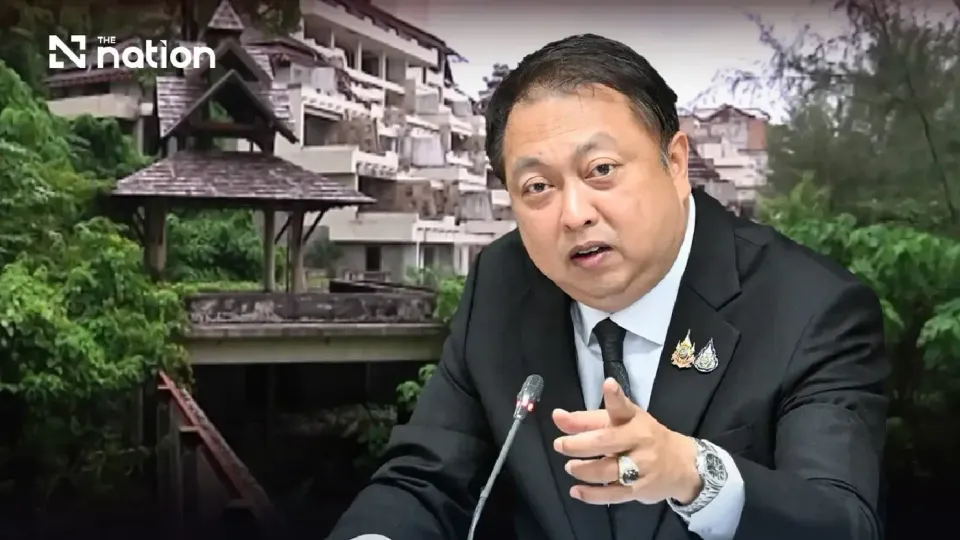
Thailand will begin demolishing illegal structures on Phuket beaches in mid-July, with Nui Beach set to be among the first sites targeted and Freedom Beach expected to follow in August after affected parties are allowed to appeal.
Natural Resources and Environment Minister Suchart Chomklin had previously said the government was preparing to move ahead with demolition as part of a campaign to reclaim public land and protected national park areas from encroachers.
Deputy Interior Minister Worasit said authorities had made significant progress in three key target areas: Bang Tao Beach, Freedom Beach and Nui Beach. He said investigations at Freedom Beach and Nui Beach, both located within protected national park land, were continuing.
At Nui Beach, the Department of Forestry last week issued formal demolition orders for 39 structures occupying more than 15 rai of protected forest land. The order, issued under Section 25 of the National Forest Reserve Act, requires the occupant to demolish the structures and restore the encroached land by July 9. Authorities warned they would carry out the demolition themselves if the deadline was ignored.
Suchart had said officials had already posted notices on structures at Nui Beach and that the legal deadline would expire in July, allowing demolition to proceed. He also said those accused of encroachment had the right to appeal, but the ministry had rejected all appeals submitted so far in the cases now moving forward.
Worasit said demolition of illegal structures at Nui Beach was scheduled to begin in mid-July, while demolition at Freedom Beach was expected to commence in August after those affected had been given an opportunity to appeal under legal procedures.
The enforcement drive also covers hotels accused of encroaching on land in Sirinat National Park. Suchart said responsibility for the cases was split between agencies, with some matters handled by the Royal Forest Department and others by the Department of National Parks, Wildlife and Plant Conservation.
However, Suchart said authorities could not immediately demolish structures on plots that still carry active title deeds, even when the land has already been judged problematic. In those cases, the Department of Lands must first formally revoke the title deeds before demolition notices can be issued.
According to Suchart, some court rulings have already found that land documents were improperly used, including cases involving Sor Kor 1 land-occupation documents that were allegedly applied to land where they did not lawfully belong. He said he was compiling Supreme Court rulings and related title deed numbers for submission to the Department of Lands for revocation proceedings.
Suchart said the staged process was intended to ensure enforcement was lawful and could not later be challenged on procedural grounds. He also rejected suggestions that influential figures had tried to lobby against demolition or legal action, saying the campaign would be enforced under the law across all relevant areas.
Worasit said police had completed investigations into allegations involving influential figures and bribery linked to Bang Tao Beach, while the Anti-Corruption Division would provide further details regarding the involvement of government officials. He added that investigations into allegations of bribery involving influential figures were "more than 99%" complete.
The new deadlines will test whether the government can turn its land-reclamation campaign in Phuket into concrete action in beach and national park areas where public access, protected land and tourism businesses overlap.