
Blue Button jellyfish found at Patong, lifeguards issue safety advice
Phuket lifeguards reported Blue Buttons at Patong on May 30 and warned beachgoers not to handle the stinging marine creatures with bare hands.
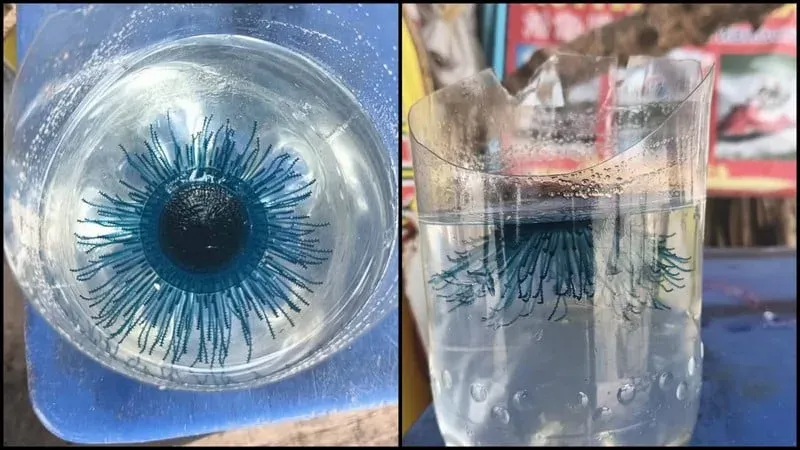
The Phuket Lifeguard Service has reported Blue Buttons at Patong and urged beachgoers not to touch the marine creatures with bare hands.
The service first reported the finding on May 30, identifying the creatures as Blue Buttons (Porpita porpita), a floating marine hydrozoan commonly found on the ocean surface.
According to lifeguards, Blue Buttons can be recognised by a dark blue circular floating disc surrounded by short branching tentacles resembling a flower. They are often mistaken for the more venomous Bluebottle, or Portuguese Man o’ War, but do not have the Bluebottle’s elongated air sac and long trailing tentacles.
Officials said Blue Buttons are not considered highly venomous to humans, but warned that their tentacles contain stinging cells known as nematocysts. Contact can cause skin irritation, burning sensations, itching, redness and localised allergic reactions in some people.
The lifeguard service said children, people with sensitive skin and those with a history of allergic reactions to marine stings may be particularly vulnerable. It advised against picking up the creatures or allowing children to play with them, and urged parents to closely supervise children if Blue Buttons are seen on the beach.
Lifeguards also asked members of the public to notify them if large numbers of the creatures are observed along the shoreline.
For first aid after contact, the service advised rinsing the affected area with seawater rather than fresh water, carefully removing any remaining tentacle fragments with tweezers or protective equipment, and avoiding rubbing or scratching the skin. Applying a warm compress at around 40-45°C for 20 to 45 minutes may help reduce pain and lessen the effects of the venom, it said.
Anyone experiencing severe allergic symptoms, including difficulty breathing, facial swelling, dizziness or loss of consciousness, should seek immediate medical attention.
The Phuket Lifeguard Service said it continues to monitor beach conditions and provide safety information to residents and tourists to help ensure safe marine and beach activities.