
Phuket proposes five-part review of hotel licensing rules
Officials have proposed reviewing building, planning, land, condominium and environmental rules to help Phuket accommodation businesses obtain legal licences and reduce opportunities for corruption.
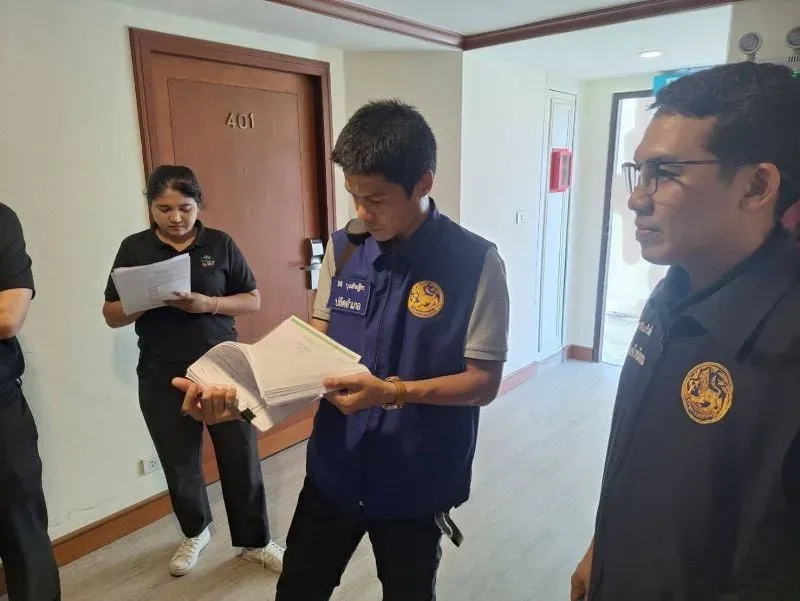
Phuket officials have proposed reviewing five areas of legislation governing hotels and accommodation businesses, aiming to help operators obtain legal licences and reduce opportunities for corruption.
The proposals were presented at a meeting of the Subcommittee on Anti-Bribery and Public Sector Corruption Risks in Bangkok on 19 October. Vice Phuket Governor Romdon Hayiawae represented the province at the meeting, chaired by Paradorn Prissanananthakul, a minister attached to the Prime Minister’s Office.
The review would cover building control regulations, town planning, land subdivision rules, condominium laws and environmental regulations, according to the official meeting report.
Officials would examine how existing buildings could meet safety and structural requirements, whether planning rules reflect current development and tourism conditions, and how land-use arrangements in subdivided projects could be addressed without infringing residents’ rights. They would also seek to clarify the distinction between ordinary residential rentals and hotel operations under condominium law.
The proposals include examining the Environmental Impact Assessment process to determine whether requirements could be better matched to project size and reduce the burden on small-scale operators. Other measures discussed included streamlining licensing procedures, improving cooperation between government agencies and the private sector, and digitising public services to reduce unnecessary steps and improper official discretion.
The Public Sector Anti-Corruption Commission (PACC) had previously been tasked with helping Phuket accommodation operators enter the formal licensing system, resolve existing problems and report progress. The official report did not mention any actual corruption cases uncovered in Phuket’s hotel licensing system. The PACC has examined potential risks including bribery, extortion and improper use of official discretion, but described its inspections in Phuket in August as preventive rather than prompted by a formal complaint.
An industry estimate puts the number of accommodation businesses on the island at 8,000-9,000. The Interior Ministry said in June that Phuket had about 5,000 hotel establishments but only around 800 valid hotel licences. More than 400 licence applications had been stuck in the provincial system since 2018. Authorities said in August that more than 300 had been processed during June and July, leaving about 100 under review.
A separate Phuket Licence Lab, launched on 5 October, is helping small accommodation operators identify building and regulatory obstacles to licensing. Volunteer architects are assessing properties and advising operators on possible solutions involving fire escapes, fire-protection systems, building setbacks, access, wastewater treatment, town planning and land-title documentation.
The latest proposals have not been reported as enacted changes to the law. Officials say the intended result is a clearer and more transparent licensing system that maintains safety standards while encouraging businesses to obtain permits.