Phuket’s Kathu model helps 25 former drug users rebuild their lives
A community-based rehabilitation programme in Kathu district has supported 25 participants through treatment, vocational training and ongoing follow-up, according to Phuket public health officials.
A community-based drug rehabilitation programme in Phuket has supported 25 former drug users through treatment and recovery, with all receiving vocational assistance and follow-up care, according to the Kathu district public health office.
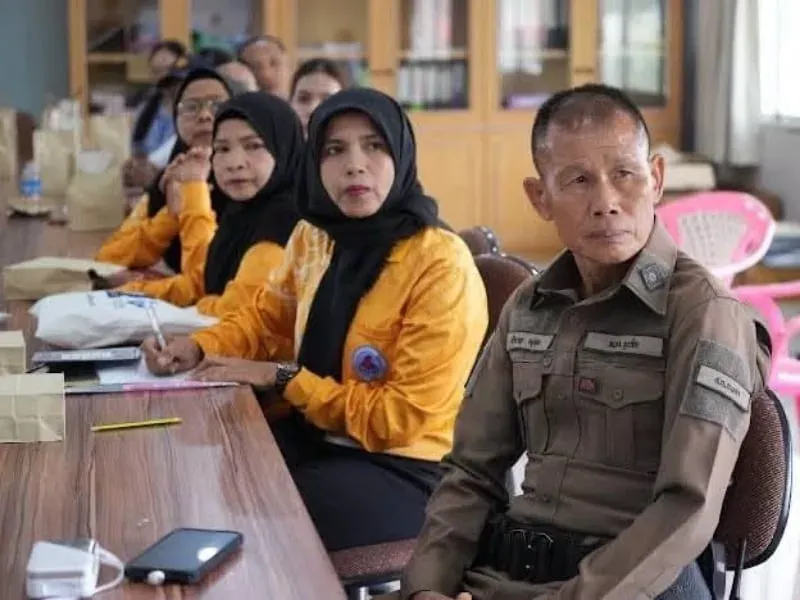
Known locally as the “Kathu model”, the Community-Based Treatment and Rehabilitation (CBTx) project brings together local administrators, public health agencies, police and community leaders to support people with drug dependency from rehabilitation through to long-term recovery and employment.
The programme operates in two pilot communities in Kamala, in Kathu district. Kathu district public health officer Peerapong Cheeplek said none of the 25 participants had relapsed, while all had received vocational support and continued monitoring.
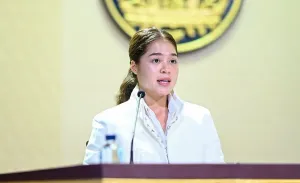
Thai Health Promotion Foundation (ThaiHealth) officials reviewed the project during a visit to a health-promoting hospital in Kamala. Rung-arun Limlahaphan, director of ThaiHealth’s Office of Health Risk Factor Control Support, said Phuket’s tourism industry, nightlife and large migrant and foreign population increased the risk of drug abuse.
She said Kamala had developed a prevention network involving police, public health officials, local administrators, village health volunteers and community leaders. More than 60% of people undergoing treatment can now be consistently monitored by authorities, she said.
The CBTx programme also provides sports activities, volunteer work, counselling and employment support. Rung-arun said completing the year-long community-based programme significantly reduced the risk of relapse, while community leaders helped coordinate services and maintain long-term support.
One participant, identified only as Mr B, 35, said drug use had damaged his health and left his life directionless. He credited his family, including his pregnant wife, with motivating him to change.
“The turning point was my family,” he said. “The people around me never gave up on me.”
Mr B said physical and psychological rehabilitation had helped him return to a normal life. Stable employment restored his confidence and enabled him to support his family, while community members who had previously viewed him with suspicion began greeting and encouraging him.
He urged people struggling with addiction to seek treatment and warned others against experimenting with drugs.