
Thai Seaplane plans late-2026 launch on Phuket–Krabi route
Thai Seaplane expects to begin commercial operations between Phuket and Krabi in late October or early November 2026, subject to environmental and aviation approvals.
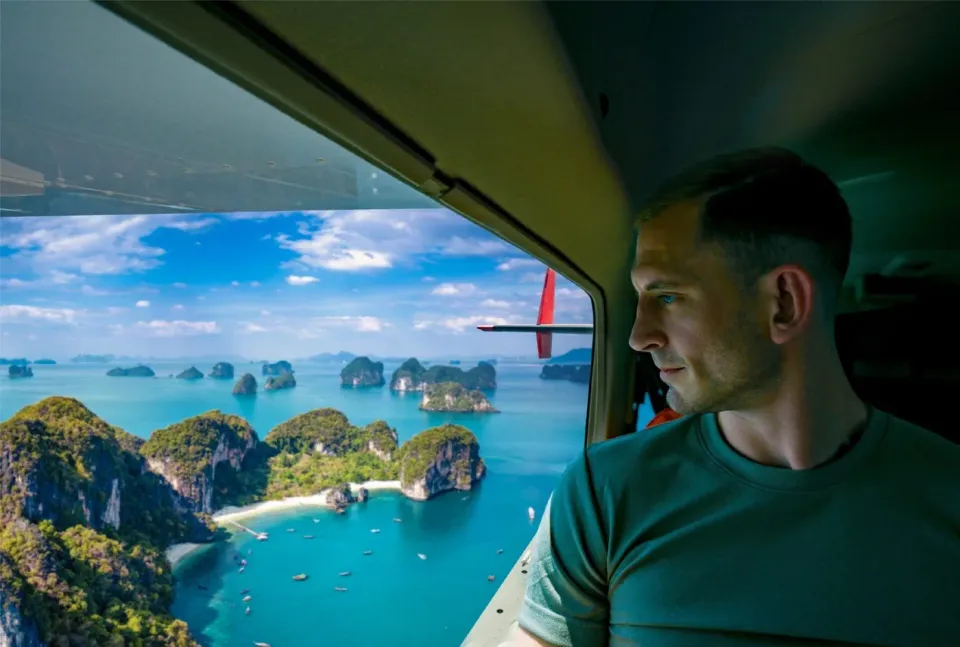
Thai Seaplane plans to begin commercial operations on a pilot Phuket–Krabi service in late October or early November 2026, subject to environmental and aviation approvals, according to company chief executive Kasinpote Rodko.
The company plans to launch during Thailand’s tourism season with two initial services: sightseeing flights and private charters. The nine-seat aircraft will operate only during daylight hours, from sunrise to sunset, with flights dependent on weather, wave height and safe take-off and landing conditions.
Rodko said the company expects to operate about five flights a day, within pilots’ working-hour limits and seaplane aviation regulations. The company is targeting a customer mix of about 70% international visitors and 30% Thai travellers, focusing on higher-spending tourists, including guests staying in hotels charging more than B8,000 per night.
Before commercial operations can begin, Thailand’s Civil Aviation Authority is expected to inspect the water aerodrome sites, including infrastructure, safety and emergency plans, and coordination with relevant agencies. It will also assess the airline’s pilots, aircraft engineers, staff, operating manuals and safety systems after the environmental assessment process is completed.
Thai Seaplane has prepared a nationwide route network and aims to expand its water-landing points across Thailand within eight years, provided its fundraising and planned stock-market listing proceed as intended. The company estimates that each water-landing point would require about B10 million to develop, compared with the several billion baht needed for a conventional airport.
The company has begun raising B150 million in its first funding round and is presenting information to venture capital funds and private investors. It has invested about B70 million to date, excluding aircraft costs, on staff, licensing, office establishment and infrastructure development.
Rodko said the company was also discussing seaplane training with Thailand’s Civil Aviation Training Centre and flight-school partners in Germany, as Thailand does not yet have a dedicated seaplane-pilot training course.