
UPDATE: Thailand-Indonesia trade plan sets dates for Bangkok-Jakarta and Bali-Phuket flights
Thailand and Indonesia are targeting US$23 billion in bilateral trade by 2030 as TransNusa schedules twice-daily Jakarta-Bangkok flights for August 6, 2026, and Bali-Phuket services for September 9.
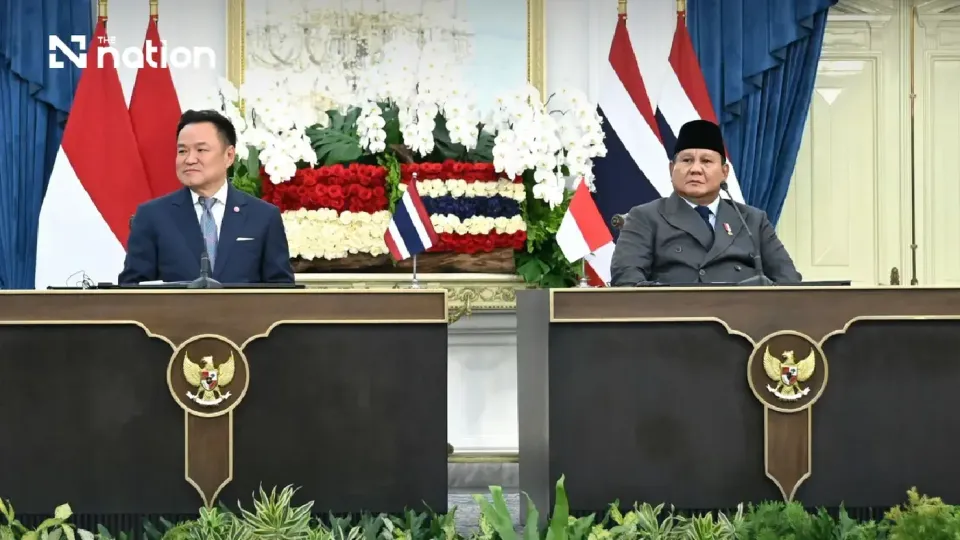
Thailand and Indonesia are targeting bilateral trade of US$23 billion by 2030 as they expand cooperation in transport, digital finance, green technology and other sectors. TransNusa is scheduled to begin two daily direct flights between Jakarta and Bangkok on August 6, 2026, followed by a direct Bali-Phuket service on September 9, 2026.
The trade target compares with bilateral trade of about US$19.5 billion. Leaders said they were confident it could be reached before 2030 through greater cooperation in agricultural trade, two-way investment, regional supply chains and the halal industry.
At a business forum in Jakarta, Thai Prime Minister and Interior Minister Anutin Charnvirakul outlined a four-pillar framework covering food security and the halal economy, logistics and infrastructure, financial and digital connectivity, and green energy and future technology.
The logistics and infrastructure pillar is intended to reduce cross-border trade costs and improve regional transport links. TransNusa’s planned services include two daily flights between Jakarta and Bangkok’s Suvarnabhumi Airport from August 6, followed by a direct service linking Bali and Phuket from September 9.
The Tourism Authority of Thailand (TAT) signed separate memoranda of understanding with TransNusa and the regional travel platform Traveloka at the Fairmont Jakarta on August 4, during Anutin’s official visit to Indonesia. The TAT-TransNusa partnership includes tourism product development and joint promotional activities intended to encourage visitors to travel beyond Thailand’s main destinations. TAT said the airline’s private-jet services could also support efforts to attract higher-spending travellers and increase tourism revenue.
The partnership with Traveloka will use the platform’s digital reach and market information to target independent travellers, families and Muslim visitors. Thailand plans to strengthen its position as a Muslim-friendly destination by promoting Thai cuisine, historical attractions, local communities, wellness experiences and beaches to the Indonesian market.
TAT describes Indonesia as one of Thailand’s five priority tourism markets in Southeast Asia. Thailand received 376,337 visitors from Indonesia between January 1 and July 31, with an average stay of six nights. TAT expects the two partnerships to help the country reach its target of 890,000 Indonesian arrivals in 2026.
Financial and digital cooperation will include expanded cross-border financial operations and integration of the PromptPay–QRIS payment infrastructure. The countries also plan joint clean-energy and future-technology projects involving electric vehicles, artificial intelligence and data centres.
The cooperation was discussed during talks between Anutin and Indonesian President Prabowo Subianto at the Istana Merdeka presidential palace in Jakarta on August 3. It was the first official visit to Indonesia by a Thai prime minister in 15 years.
The leaders witnessed the exchange of an action plan for the Thailand-Indonesia strategic partnership, creating a framework for long-term cooperation. They also agreed to work more closely against transnational crime, particularly online fraud, human trafficking and drug smuggling, through intelligence sharing and closer coordination between law-enforcement agencies.
Anutin said Thailand was ready to be a reliable economic partner for Indonesia and invited Indonesian businesses to invest in Thailand. The countries also agreed to develop the halal industry by combining Indonesia’s large Muslim consumer market with Thailand’s production capacity, product quality and halal standards. The framework includes developing an end-to-end halal value chain and streamlining certification standards.
The leaders further discussed ASEAN economic integration and coordinating their efforts as both countries pursue membership of the Organisation for Economic Co-operation and Development.