Phuket zoning overhaul could allow 15- to 20-storey buildings in red zones
Phuket’s draft city plan would raise development limits in some areas while tightening controls in conservation zones, prompting a rush for approvals before expected implementation in 2027.
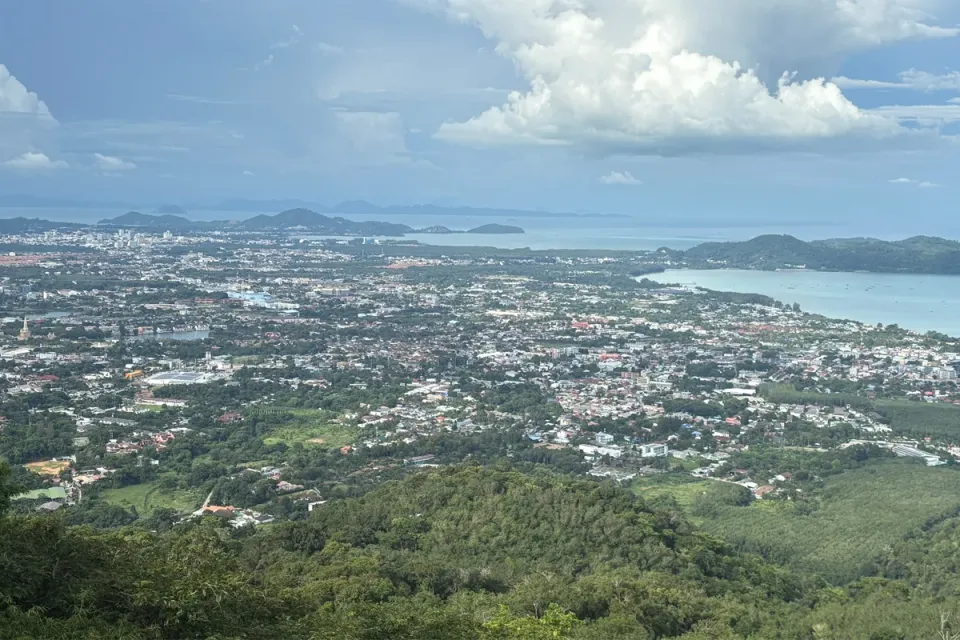
Phuket’s revised city plan could permit buildings of up to 15 to 20 storeys in designated red zones, while imposing tighter development controls on conservation and high-altitude areas, according to provincial planning officials and the Phuket Real Estate Association.
The Department of Public Works and Town and Country Planning is revising the Phuket comprehensive plan to regulate land use, transport and infrastructure as the island expands. The draft remains under amendment after businesses submitted comments and must be approved by the Phuket provincial planning committee before being displayed for public notice for 90 days.
Officials expect the plan to be announced and implemented in 2027. The Phuket Real Estate Association expects an announcement in the fourth quarter of that year.
Under the draft, some red-zone areas, including parts of Patong and Thalang, could allow buildings 45 to 60 metres high, equivalent to about 15 to 20 storeys. The current limit in most of Phuket is about 23 metres, or no more than seven storeys, according to the association.
The revised plan would also change the floor area ratio (FAR), which determines the total building area permitted relative to a plot’s size. Some development areas could receive a FAR of seven to eight times the land area, while zones with significant natural or cultural value, including Phuket’s Old Town and Sino-Portuguese districts, could be limited to two to three times.
The association said the new FAR rules could reduce the total buildable area in some locations by 15% to 40%. Projects could gain additional development capacity by incorporating more green space, it said.
Height restrictions would also apply to elevated land. Areas more than 80 to 140 metres above mean sea level would generally be limited to detached houses or small buildings, while construction permits would not be available above 140 metres, according to the association. For land below 80 metres, proposals would be assessed against zoning, public utilities and transport plans.
The impending changes have prompted developers and landowners to seek approvals under the existing rules. The association said nearly 100 condominium projects may be seeking environmental impact assessment or construction approvals, allowing them to proceed under existing permits if the new plan imposes lower development limits. Existing permits are valid for three years and can be extended for two further periods, it said.
The association expects land prices in areas that are rezoned red to rise by 10% to 20% after the new plan takes effect. It cited Cherng Talay as an example, saying prices there had risen from B5 million-B7 million per rai to B15 million-B21 million per rai.
Colliers Thailand data cited by Prachachat Business put the value of investment in Phuket’s residential market at B541.22 billion over the six years from 2021 to 2026.
Sansiri said it plans to launch seven Phuket projects in the second half of 2026, in Patong, Sam Kong, Cherng Talay, Pasak, Bang Jo, Pru Champa and Rawai. The company said its Phuket investment plan for the next five years totals B40 billion and includes condominiums and luxury pool villas, with prices starting at B45 million per villa.